
Suffolk's 2025 Clerk Work Expanded Digital Access
The County Clerk's 2025 annual report sketches a program still in motion. Optical imaging continues. Historic atlases are being digitized. Electronic court-record systems now share the workload. About 2.5 million imaged documents are available online. The office also manages more than 60 million inactive county records. Those are enormous numbers, and they say something simple: digitization in Suffolk County is an ongoing effort rather than a finished archive. So when a deed index entry produces no web image, a searcher should still keep an office visit as a fallback. An archive request or a copy order works too.
Search Suffolk County Property Records from One Reliable Key
Suffolk County property records live in more than one drawer. The County Clerk holds recorded documents. The Real Property Tax Service Agency keeps the tax maps. Ten town assessors maintain the rolls, town tax receivers collect, and county mapping services add the geographic layer. Begin with the strongest fact in hand. A street address works well for locating a parcel. An owner or business name can lead through the assessed-owner field. The Suffolk County Tax Map number is often the fastest key of all. Once a candidate parcel surfaces, the deed index supplies the recorded transfer evidence. A complete property search compares these sources against each other. None of them alone substitutes for a title report, survey, or appraisal.
- Use the county tax portal or the correct town assessor to match the street address.
- Copy the full district-section-block-lot identifier, commonly called the SCTM or DSBL.
- Search the County Clerk kiosk by tax map number, name, or liber and page.
- Review the tax roll, parcel map, and any recorded map tied to the legal description.
- Request a copy or visit the Riverhead counter when an index entry has no online image.
Where Suffolk County Property Records Are Kept
Suffolk County splits its recordkeeping across several offices. No countywide assessor exists. Each of the ten towns keeps the assessment roll for property within its borders. The Suffolk County Clerk handles the deed records. The same office holds mortgages, satisfactions, liens, lis pendens, and maps. A separate Real Property Tax Service Agency maintains the official tax maps. It also ties each parcel to its SCTM number. Current tax bills start with the town receiver. Delinquent county tax-lien matters go to the County Comptroller. Because of that division of labor, a thorough property search usually means visiting more than one official system.
Real Property Tax Service Agency
Maintains official county tax maps and parcel identifiers.
Town Assessors
Maintain assessed ownership, valuation, exemptions, and local assessment rolls.
Choose the assessor for the parcel's town.
The SCTM Number Connects Suffolk's Separate Record Systems
Every Suffolk County parcel carries a tax-map identifier built from district, section, block, and lot. That number beats a street address. Addresses get fuzzy when spellings, road names, or condo units cause confusion. The Tax Map Division keeps the parcel framework for roughly 585,000 parcels. It also processes splits, merges, and map changes. Many deeds, mortgages, easements, liens, and satisfactions must clear tax-map verification. Otherwise the Clerk will not record them. Suffolk charges $200 per tax lot for that verification. That step can slow a recording.
Condominiums make the best case for saving the exact SCTM number. The Clerk cautions that a condominium property search cannot rest on the street address alone. Enter the unit's full tax-map number instead. Then check the deed row against the grantee name and the legal description before trusting it.
What the Suffolk County Clerk Kiosk Actually Searches
The Suffolk County Clerk's public kiosk allows searches by property address, tax map, party name, liber and page, index number, UCC information, and business name. Results arrive sorted by category. A deed, mortgage, lien, and lis pendens may each land in a different table. Searching the public index is free, though viewing images can require a paid option or a trip to the office. Online imaging generally covers 1987 forward. The physical record collection runs far older.
Each result can show names, document type, recording date, liber and page, and parcel references. Broad owner-name searches should be narrowed with a date range or tax-map number, since the online result set stops at 2,000 rows. A maintenance or access notice can also interrupt remote use, so the Riverhead counter and copy-request routes remain useful backups.
The official kiosk page displays the available search panels. View the Clerk's official search page.
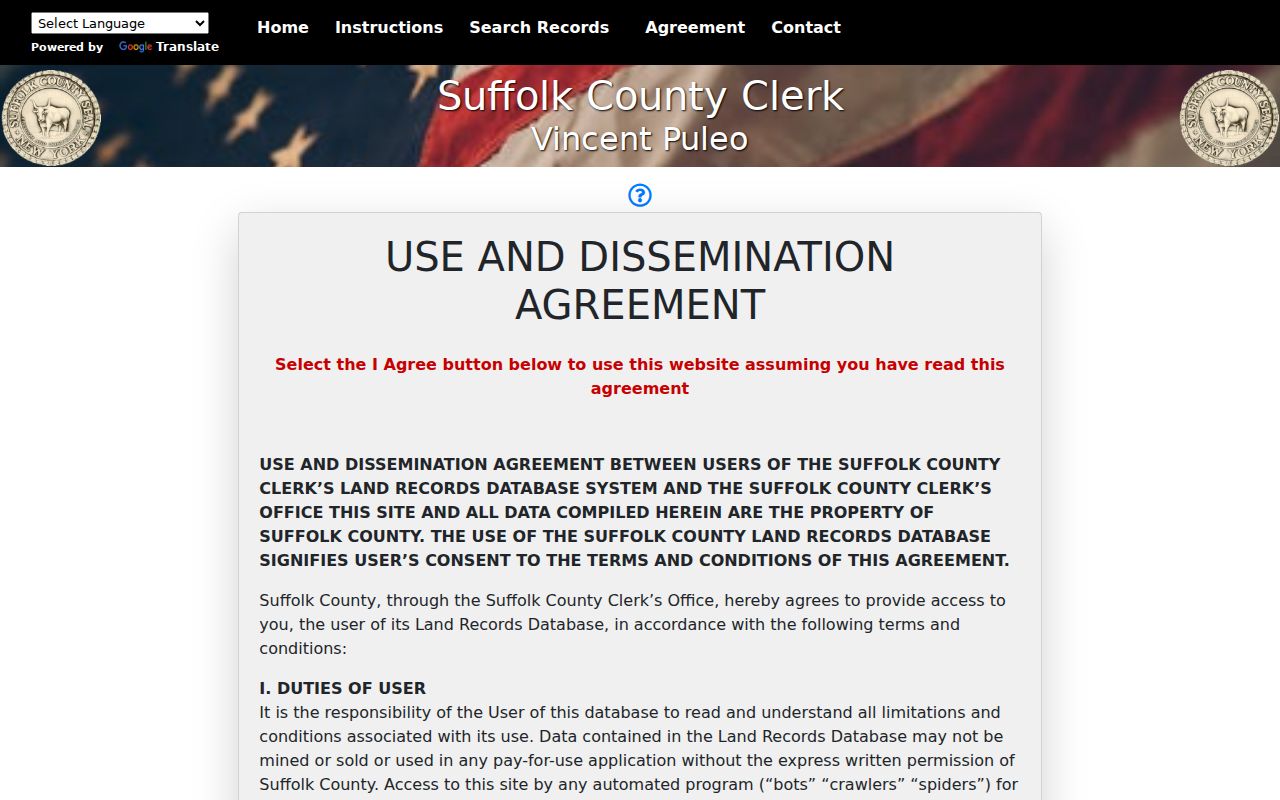
The kiosk screen lets users pick an address, tax-map, name, liber-page, index, UCC, or business search before running a query.
Records That Describe a Suffolk County Parcel
A Suffolk County parcel generates paper in more than one office. The recorder holds the deeds, the assessor sets the appraisal, and the tax roll follows the parcel number. The table below sorts each record type by the question it answers.
| Record | What it contributes | Official source |
|---|---|---|
| Deed | Grantor, grantee, recording date, consideration, and legal description | County Clerk |
| Assessment roll | Assessed owner, mailing address, assessed value, and exemptions | Town assessor |
| Tax account | PIDN, parcel, bill status, mailing name, and payment search | OpenGov and local receiver |
| Tax map | District, section, block, lot, parcel shape, acreage, and status | RPTSA and county GIS |
| Recorded map | Subdivision lots, filed-map references, and abandonments | County Clerk Map Department |
Suffolk's OpenGov Tax Search Uses Five Distinct Inputs
The Suffolk County tax search runs on OpenGov. It accepts five inputs: PIDN, MAP/Parcel, location address, street name, and mailing name. Each field does its own job. A location address pins down the real estate itself. A mailing name points to whoever receives the tax bill. Street-name mode works well for scanning a whole block. An exact PIDN is the most reliable key for an inactive parcel or an address that has changed over the years. Picking the right field up front saves a second pass through the property search. The official tax page lists the property-tax search and the payment search side by side. View the OpenGov tax search portal to see the options directly.
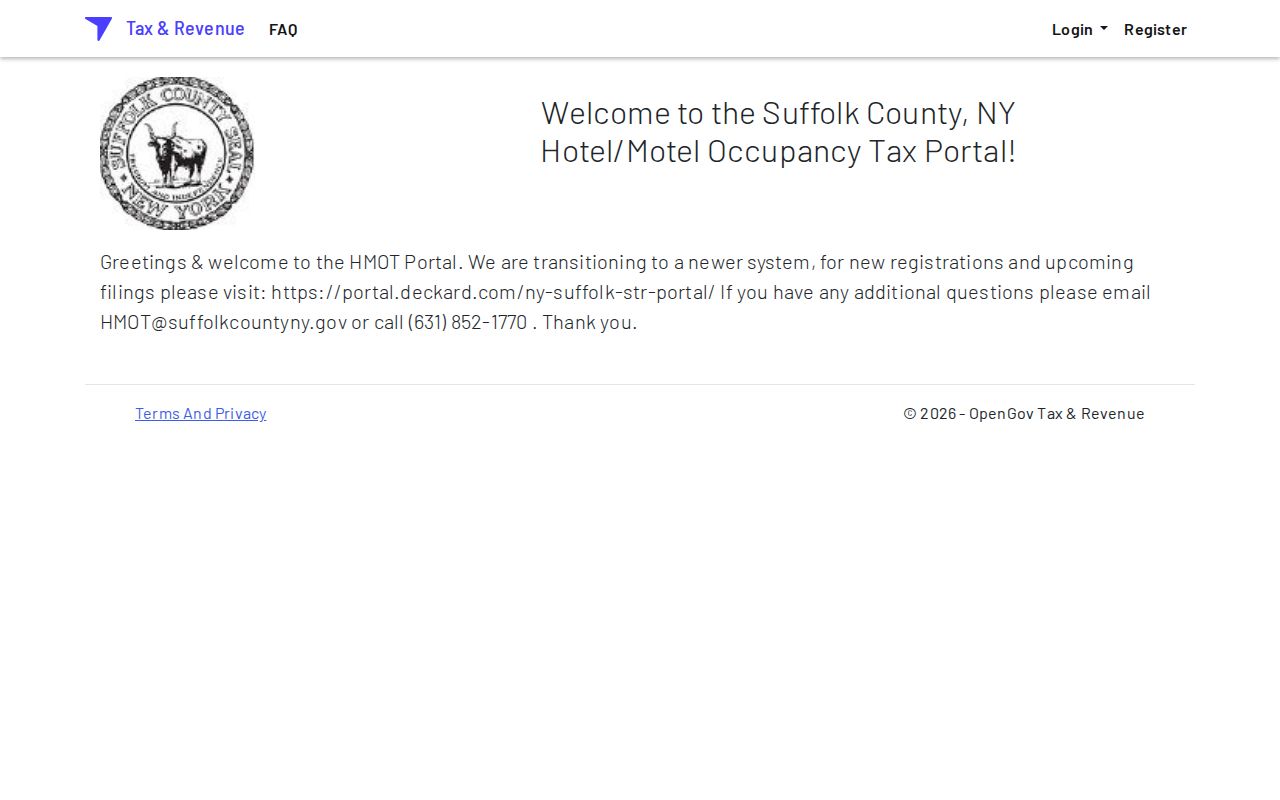
The official Suffolk County tax page displays each search mode side by side. That layout shows how parcel, address, street, and mailing-name routes differ before a visitor commits to one.
Parcel Maps Add Geography, Not a Survey
Suffolk County's GIS parcel viewer is more than a picture. It exposes the parcel ID, district, section, and block. Lot number, status, full address, ZIP, acreage, and land-use codes are also shown, along with other map attributes. Clicking the subject polygon confirms a match. It shows whether an address and an SCTM number describe the same land. Neighboring polygons can supply adjacent parcel IDs. This helps when a deed or plat references a surrounding lot. Historical aerial layers add a timeline for roads, structures, and subdivisions. The county provides aerial coverage from 1947 forward. Separate index-based PDFs cover 1928 through 1930. Remember that a GIS map is a reference tool, not a survey. The official DSBL system sits behind the parcel numbers. The Tax Map Division page lays it out. Open the Tax Map Division guidance for the details.
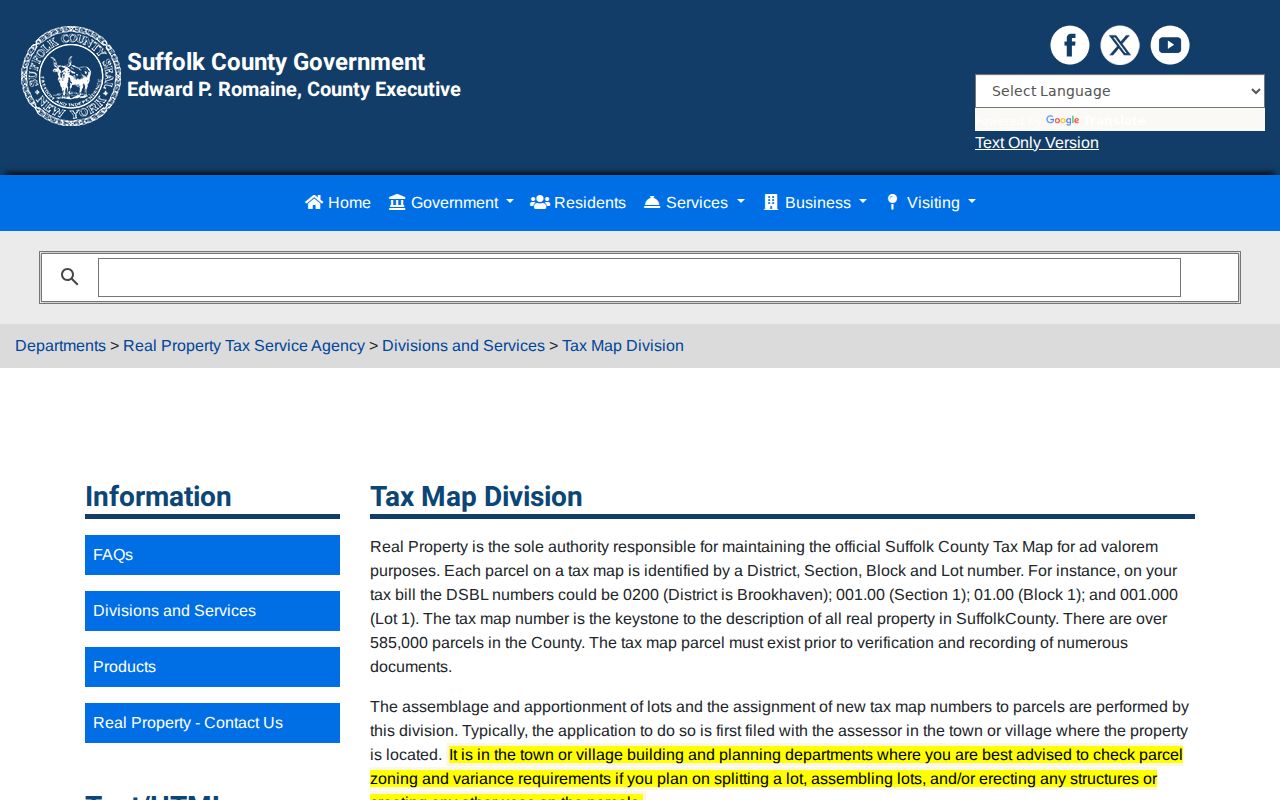
The county's tax map page makes one point clear: tax maps organize assessment parcels for the assessor's use. A deed record or a licensed boundary survey answers the legal questions a parcel map cannot.
Suffolk County Deed History Extends Far Beyond the Web Index
Suffolk County deed records reach from about 1660 straight through to the present, according to the Historic Documents Library. A house history works backward. Take the current deed, note its prior liber and page, then follow grantor and grantee entries link by link. Countywide books hold the oldest era. Indexes from 1951 through 1969 divide by town. Later eras shift toward public terminals and electronic indexes. A missing online image therefore does not mean the deed record is missing.
The official finding aid illustrates that backward chain. Open the Historic Documents Library source.
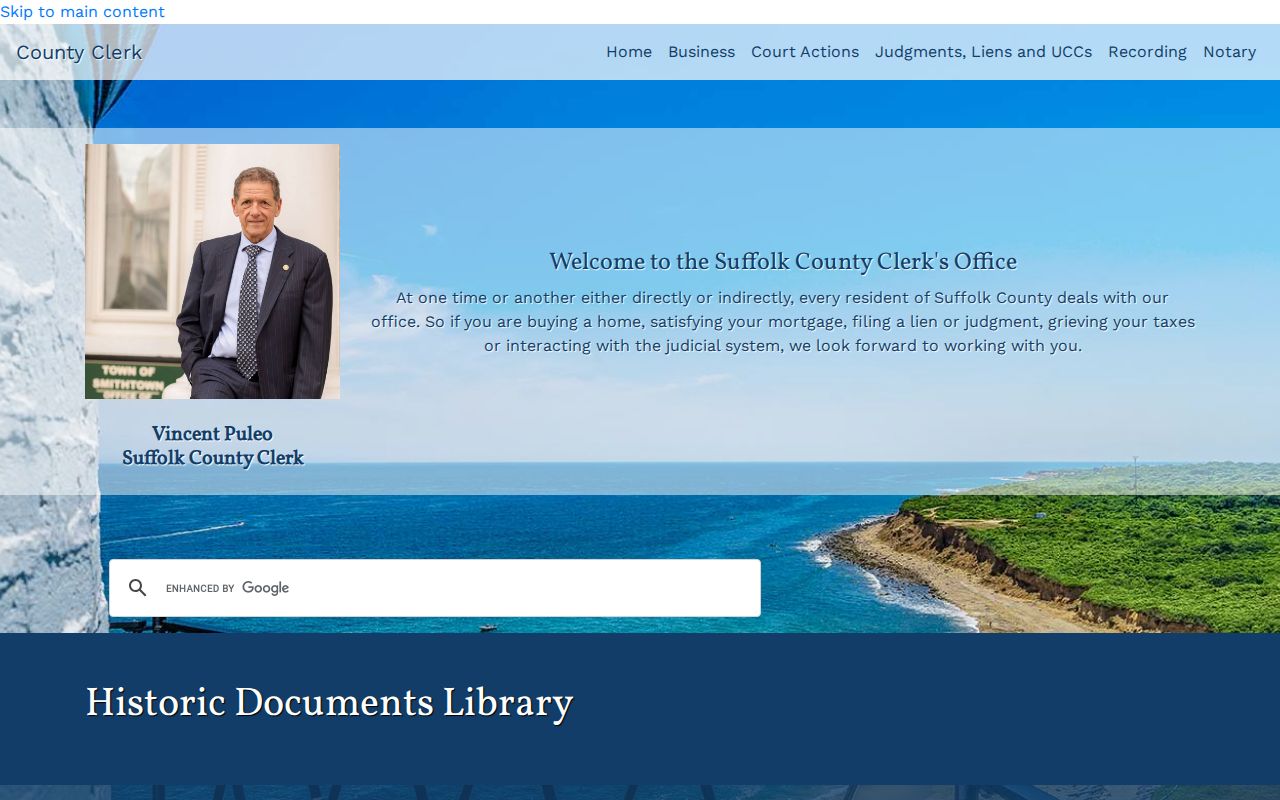
Bring the current deed and every prior liber-page reference. Allow substantial time for a long chain, since each step in Suffolk County's older indexes must be followed by hand.
Assessed Value, Market Value, and Sale Price Are Different
Each Suffolk town assessor places an assessed value on the roll under state and local rules. New York equalization rates and residential assessment ratios relate that figure to a broader estimate of market value. The result is still not an appraisal. The RP-5217 transfer report captures the sale information filed with the deed. State SalesWeb holds ten years of transfer data. It updates weekly. Even so, a sale can take weeks or months to appear, and the sale date and the deed-recorded date can differ.
Exemptions such as STAR change the taxable burden. They never touch the consideration written in a deed. Assessment complaints follow the local calendar: taxable status date is generally March 1, tentative rolls appear around May 1, and grievance day is commonly the fourth Tuesday in May. Confirm the dates with the town assessor.
HOWL Alerts Suffolk Homeowners to New Recordings
The Suffolk County Clerk's Homeowners Watch List, HOWL, offers a free alert path for recorded activity. HOWL registration takes more than an email. The county mails a PIN letter to the property address. Email notifications start after the PIN is entered. Owner permission is not required for someone to present a land document for recording, so an alert can surface activity that might otherwise wait until a sale, refinance, transfer, or foreclosure. An alert is a prompt to inspect the document. It is not proof that fraud occurred. Read the actual recording before drawing conclusions.
The official HOWL instructions cover the address route, the tax-map exception, the mailed PIN, and the email step. Review the county's HOWL page.
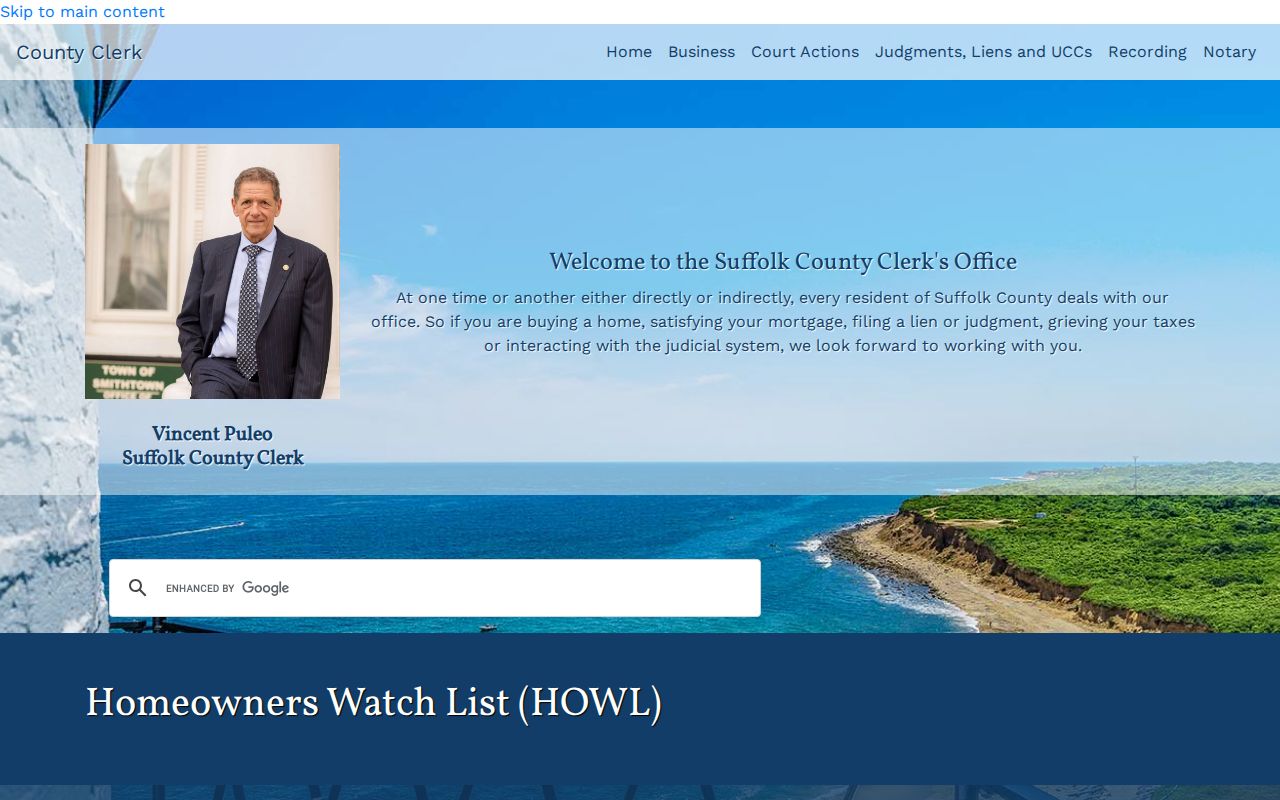
Condominium owners whose address match fails during enrollment should use the exact tax-map number instead.
Older Maps and Aerials Can Bridge Address Changes
A modern address rarely matches the wording of an older Suffolk County deed. Maps can close the gap. Recorded plats, historic atlases, town-divided indexes, land-use maps, and aerials can tie an old lot or file-map reference to the current parcel. The county licenses annual digital tax-map albums. Shelter Island's costs $100, each other town's runs $200, and all ten together are $1,500. Free GIS and cartography downloads deserve a look first. Licensed products suit heavier professional use.
The Cartography and GIS page lists downloadable land-use material and historic aerial resources. View the county's Cartography and GIS page.
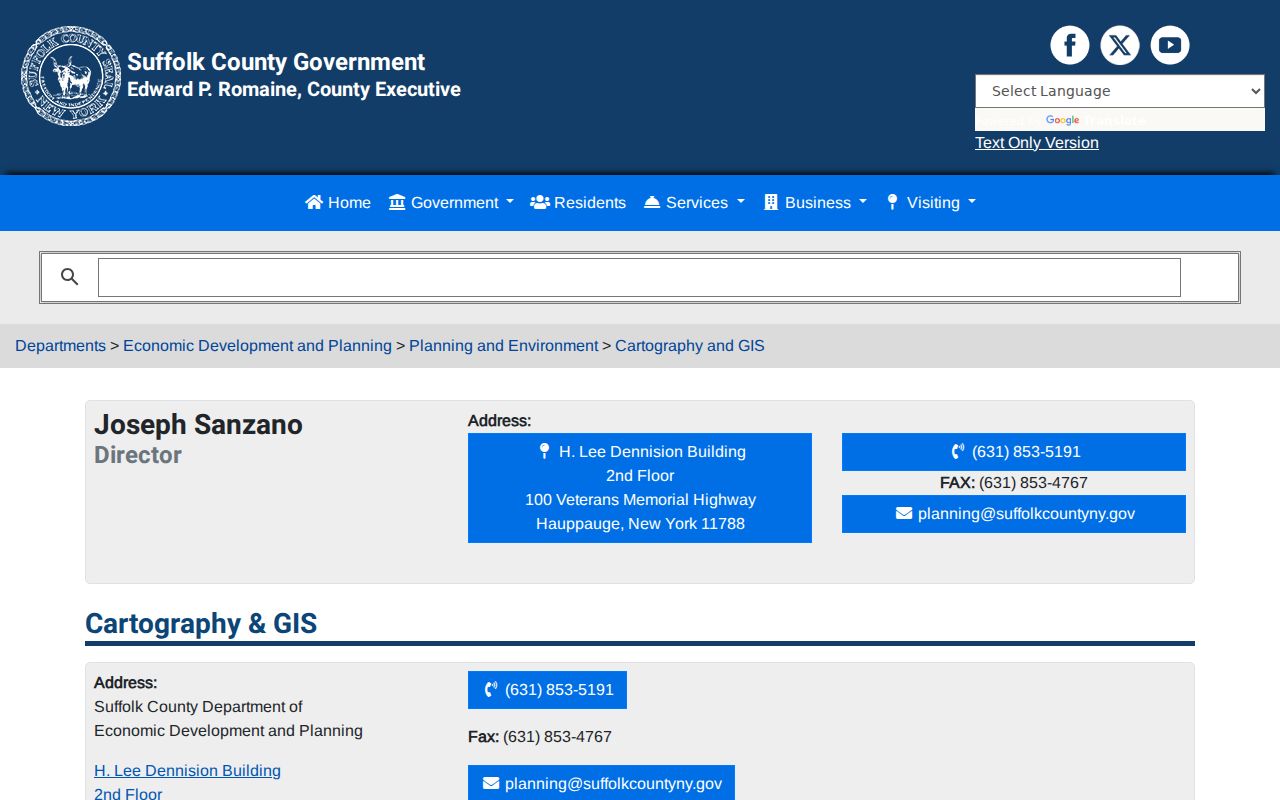
These layers add historical context. Acreage and boundary conclusions still require the deed, the filed map, and sometimes a survey.
Limits on Suffolk County Property Records
Suffolk County property records can identify an assessed owner, a grantee, a mailing name, a reported sale, a parcel polygon, and recorded encumbrances. They have limits. They cannot guarantee beneficial ownership behind an entity, prove every lien cleared, fix a boundary on the ground, or predict a sale price. A recent closing may be missing too. The Clerk warns that recording can take eight to ten weeks. An assessor roll follows its own update cycle.
Use records lawfully. Verify important findings with the custodian, a title professional, or a surveyor, and never use owner information to stalk, harass, or harm anyone.
FOIL Covers Suffolk Agencies, Not Court Case Files
New York's Freedom of Information Law opens a request route to records held by county and town agencies. It applies when the material is not already available through a public portal. Describe the record, date range, parcel, and responsible division. Staff need that detail to find the file. Agencies generally acknowledge a request within five business days. They may grant access, deny it in writing, or give an approximate response date. Copy charges and electronic-delivery rules depend on the record and the applicable law.
Court case files are different. They follow court-system access rules, so Suffolk foreclosure and civil research may lead to WebCivil Supreme, NYSCEF, eTrack, or the appropriate clerk. A land-record request still belongs with the County Clerk. Sending it to the right custodian is faster than asking one office to search every system.
A Suffolk Research Day May Cross Three Record Eras
One Suffolk County parcel can span three record eras. It may hold a modern electronic deed, a 1970s or 1980s terminal record near the imaging boundary, a 1951-1969 town-divided index entry, and a colonial-era deed in a physical volume. Build a citation trail that survives each transition. Bring the current deed, prior liber-page references, SCTM, legal description, and something for notes.
Active public research centers on Riverhead. A Central Islip Clerk satellite serves certain legal users. Inactive records may sit in county storage at the BOMARC facility. The newest web image, a historic book, and an archived court record may not share one roof. Call ahead when an item may need retrieval.
How to Search Suffolk County Property Records
Suffolk County Property Records Offices
Types of Suffolk County Property Records
| Record Type | What It Documents | Kept By | Access |
|---|---|---|---|
| Deeds | |||
| Mortgages & liens | |||
| Tax & assessment | |||
| Plats & parcels | |||
| Building permits |
What Suffolk County Property Records Can and Cannot Tell You
Lawful use.